+86-769-85303229 +86-13763283864 jennyguo@fazcwj.com

Views: 0 Author: Site Editor Publish Time: 2026-02-13 Origin: Site


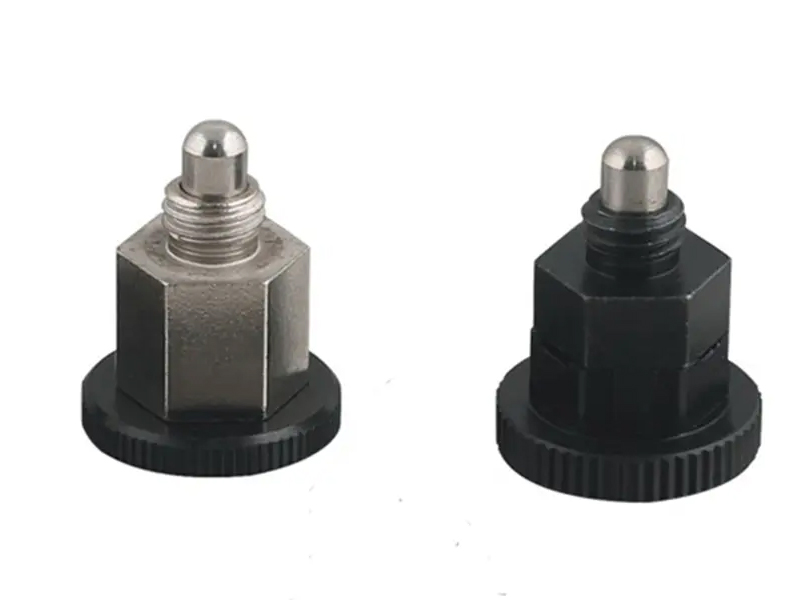
In harsh environments, "indexing plunger" is not the full spec. The real spec is: corrosion risk + cleaning method + contamination tolerance + maintenance reality. If you don't design around those, even a premium plunger will feel gritty, stick, or corrode before its expected service life.
This guide explains how to specify indexing plungers for wet, washdown, coastal, or chemical-adjacent applications.
Start by classifying your use case:
Outdoor / humidity: condensation, rain, intermittent water exposure
Coastal / marine: salt mist, galvanic risk
Washdown: frequent cleaning, water jets, detergents
Chemical exposure: acids/alkalis, solvents, process fluids
Food/packaging proximity: cleaning + hygiene expectations
Each category changes what "good enough" means.
Many failures come from the small internal parts:
springs,
pins,
and interfaces where water can sit.
Even when the body is stainless, trapped moisture can attack less-protected components over time.
Avoid deep crevices that trap water or debris.
Prefer geometry that drains and wipes clean.
Ensure the receiving-hole entrance is clean and not a corrosion "starter."
Washdown environments punish:
sharp corners,
cavities that trap residue,
and surfaces that are hard to inspect.
Smooth external geometry that can be wiped.
No hidden pockets around the operating element.
Easy verification of full engagement (visual/feel).
Detergents and disinfectants can be more aggressive than water. The same fixture may survive for years in humidity but degrade rapidly under daily chemical cleaning.
Practical approach
Document the cleaning agents used.
Match material and surface expectations to that reality.
Plan for inspection intervals (don't assume "maintenance-free").
Corrosion resistance doesn't fix bad hole geometry. In wet environments, burrs and sharp edges accelerate:
wear,
corrosion initiation,
and sticking.
So pair "stainless choice" with "hole design discipline."
Before purchase, confirm:
Environment type (washdown/coastal/chemical)
Expected cycling frequency
Required stroke and engagement depth
Mounting method (thread/flange)
Any special cleaning constraints (no grease migration, etc.)
If you're building a harsh-environment fixture, consider pairing corrosion-resistant components with a preventive maintenance plan. And if you see sticking or gritty feel, troubleshoot the root cause systematically.
Explore indexing plunger options here: Indexing Plungers Supplier | Locking & Positioning


