| Availability: | |
|---|---|
| Quantity: | |
One of the key features of our Indexing Plunger is its high precision. The indexing mechanism is capable of achieving extremely accurate positioning, with tolerances as low as a few micrometers. This makes it ideal for applications that require the highest level of precision, such as in the semiconductor and optical industries. The plunger also offers a fast indexing speed, allowing for quick and efficient operation. It is equipped with a reliable locking mechanism that ensures the plunger remains in position once set, providing added stability and safety. Additionally, the plunger has a long service life, thanks to its high-quality construction and advanced lubrication system.
The advantages of our Indexing Plunger are significant. Its high precision and fast indexing speed make it a valuable asset in industries where accuracy and efficiency are crucial. The reliable locking mechanism ensures the plunger's stability, reducing the risk of errors and improving the quality of the final product. The long service life of the plunger means less downtime for maintenance and replacement, resulting in increased productivity and cost savings. Moreover, our Indexing Plunger is backed by a comprehensive after-sales service, ensuring that you receive the support you need to keep your equipment running smoothly.
Our Indexing Plunger is widely used in a variety of industries and applications. In the semiconductor industry, it is used for positioning and aligning wafers during the manufacturing process, ensuring precise chip placement. In the optical industry, it is employed for adjusting the position of lenses and mirrors, enabling accurate optical alignment. It is also commonly used in the medical device manufacturing industry for positioning and assembling components with high precision. Additionally, the plunger finds applications in the research and development field, where it is used for precise positioning and testing of samples.
Q: Can the Indexing Plunger be used in a cleanroom environment?
A: Yes, we offer Indexing Plunger models that are suitable for use in cleanroom environments. These models are designed to meet the strict cleanliness requirements of cleanrooms, ensuring that they do not contaminate the environment. Please contact our sales team for more information on cleanroom-compatible models.
Q: How do I replace the lubricant in the Indexing Plunger?
A: To replace the lubricant in the plunger, follow the instructions provided in the product manual. Generally, it involves removing the old lubricant, cleaning the relevant parts, and applying a new layer of lubricant. If you are unsure about the process, please contact our technical support team for assistance.
In precision machinery and industrial applications, choosing the right mechanical locking or positioning component is critical for reliability, safety, and efficiency. Two common devices used for positioning and locking are indexing plungers and ball lock pins.
Indexing plungers are vital mechanical components used to secure, position, and lock movable parts in machinery, fixtures, jigs, and industrial equipment.
Custom indexing plungers are essential components in specialized machinery, industrial equipment, and precision assemblies.
Indexing plungers are essential mechanical components used across various industries to ensure precise positioning, secure locking, and repeatable alignment in machinery, fixtures, jigs, and other adjustable assemblies.
Indexing plungers are essential components in mechanical assemblies, offering precise positioning, locking, and alignment capabilities. They are widely used in machinery, jigs, fixtures, and industrial equipment, where accurate positioning and repeatable movement are critical.
TIME/VENUE:2026.3.31-4.3 Shenzhen International Conventionand Exhibition Center (Bao'an)BOOTH NO.3-P10
If an indexing plunger starts sticking, failing to seat, or wearing out early, replacing it might "solve" the symptom—but not the cause. Most field issues come from receiving-hole design, alignment stack-up, contamination, or side loading.
In harsh environments, "indexing plunger" is not the full spec. The real spec is: corrosion risk + cleaning method + contamination tolerance + maintenance reality. If you don't design around those, even a premium plunger will feel gritty, stick, or corrode before its expected service life.
"Load rating" sounds simple until a pin bends in the field and everyone asks why. Indexing plunger pins rarely fail from pure axial force. They fail because real assemblies introduce shear, bending, misalignment, and vibration—often all at once.
A standard indexing plunger is designed to re-engage automatically. That's great—until it isn't. In fast changeovers, rotating plates, or safety-critical adjustments, you may need the opposite behavior: the pin must stay retracted until the operator intentionally releases it.
When an indexing plunger "doesn't feel reliable," the issue is often not the plunger. It's the hole. Bore size, chamfer, and engagement depth decide whether the pin finds the target smoothly—or fights burrs, edge damage, and misalignment for the rest of its life.
Did you know that using the wrong set screw can cause permanent damage to delicate components? Whether you're working with polished aluminum, plastic housings, or precision assemblies, a traditional metal set screw might scratch, deform, or even crack your components.
What do medical devices, precision electronics, and high-end furniture have in common? They all require non-marring, precision fastening solutions—and nylon tip set screws are the go-to choice.Standard fasteners often cause more harm than good in delicate assemblies.
Did you know that a single fastener can determine whether your assembly lasts for years or fails within weeks? It's not always about the size or strength of the screw—it's about the application fit. In industries where surface integrity, vibration control, and precision are essential, the nylon tip set screw is often the unsung hero.
"One wrong screw can ruin your entire assembly." That's not an exaggeration—it's a reality many engineers and manufacturers face when choosing between different types of fasteners. Imagine tightening a set screw into a soft aluminum or plastic surface, only to find cracks, scratches, or permanent damage.
In many industries, fastening delicate components without causing surface damage is a constant challenge. That's where nylon tip set screws come in — a smart and reliable solution for non-marring, vibration-resistant fastening.
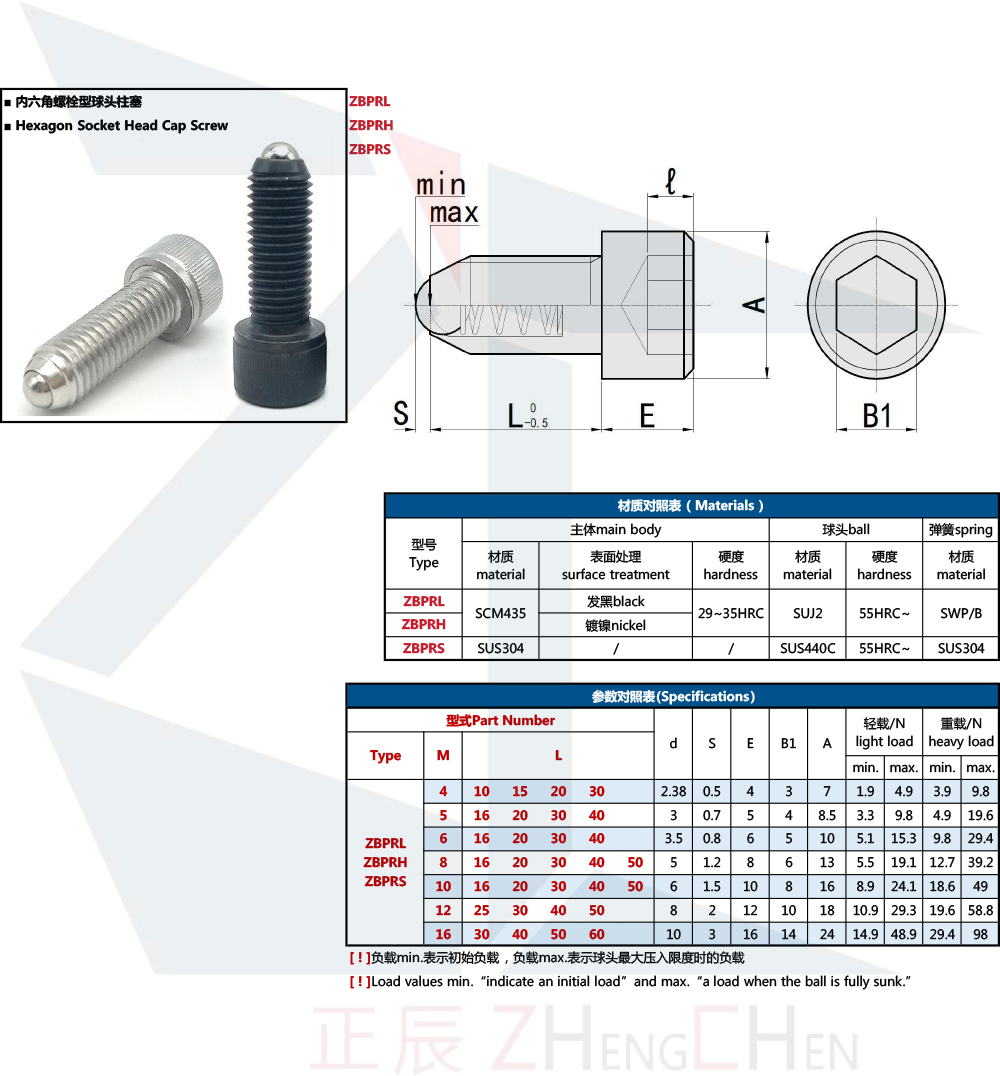
When you use a sliding door or open a drawer, you can feel the smooth stop and click. This comes from the ball head plunger and spring plunger inside. A high-quality ball head plunger uses strong materials like 304 stainless steel. This gives you better durability and protects against rust.
You use a plastic ball plunger to move parts gently. Material is important. POM and PA work for everyday jobs. PEEK is better for hot or tough places. Ball plungers keep electronics and molds safe. They protect soft surfaces.
Hygiene is very important in food processing. Every part, even a stainless steel ball plunger, must meet hygiene rules. Clean machines help keep food safe for people. Picking parts that resist germs and rust means you can trust your equipment for years.
You use spring ball plunger technology to get steady preload and close tolerances in your automation equipment. Spring-loaded plungers help you get exact positioning. This makes design and performance better.